Drain cleaning and sewer service in Coos Bay, Oregon
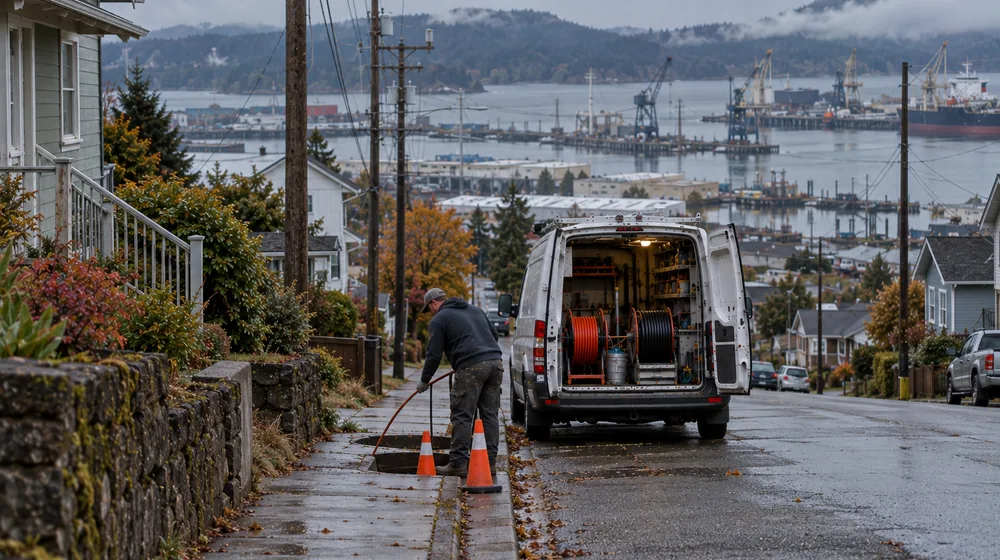
Coos Bay is the largest city on the Oregon coast and a working port, and its housing reflects a timber and shipping history rather than tourism. That means older, denser stock than the resort towns, on ground that is largely fill and estuary sediment.
- Coos County
- Oregon Coast
- Answered 24/7
What goes wrong with Coos Bay plumbing
Estuary fill and differential settlement
Much of the developed area sits on fill and estuary sediment that settles unevenly. Laterals develop bellies and joint offsets from ground movement rather than from age alone, and a belly cannot be corrected by lining.
Tidal influence on the water table
Groundwater levels near the bay move with the tide as well as the season. Infiltration into compromised laterals is chronic, and low-lying properties can see gravity drainage genuinely impaired at high water.
Aggressive salt-air corrosion
Working-port coastal conditions are among the harshest in the state for metallic components. Cast iron in crawlspaces, water heater fittings and pump housings all corrode faster than inland equivalents.
Housing stock and pipe materials
Housing: Substantial pre-1950 stock from the timber and shipping era, with mid-century growth and limited newer development.
Likely pipe materials: Clay and cast iron dominate the older stock, with Orangeburg in postwar areas and PVC on newer construction.
Most relevant in Coos Bay
Picked from the local conditions above, so the list differs city to city.
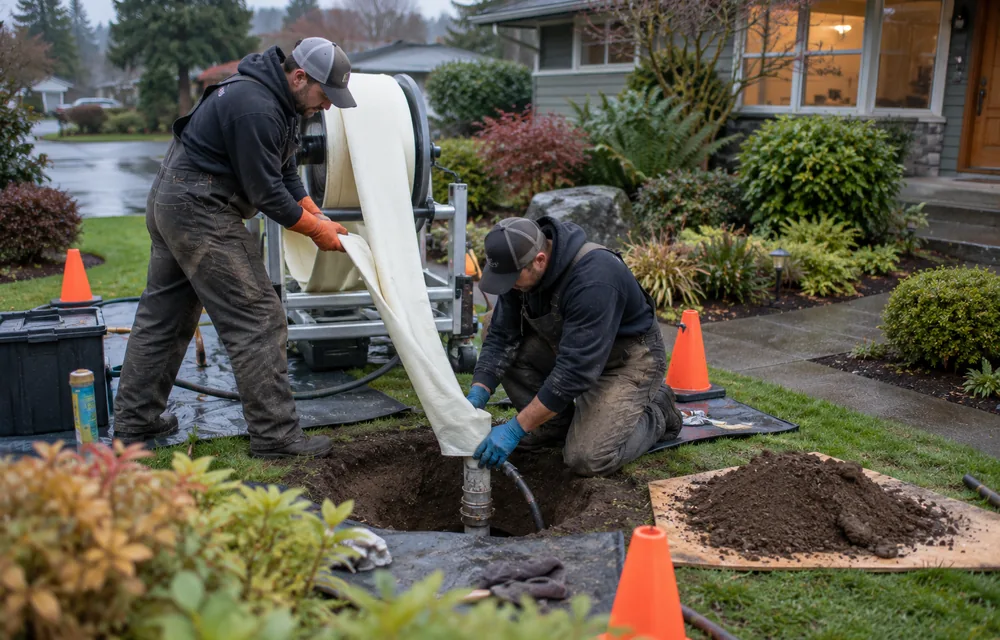
Sewer Line Repair & Replacement
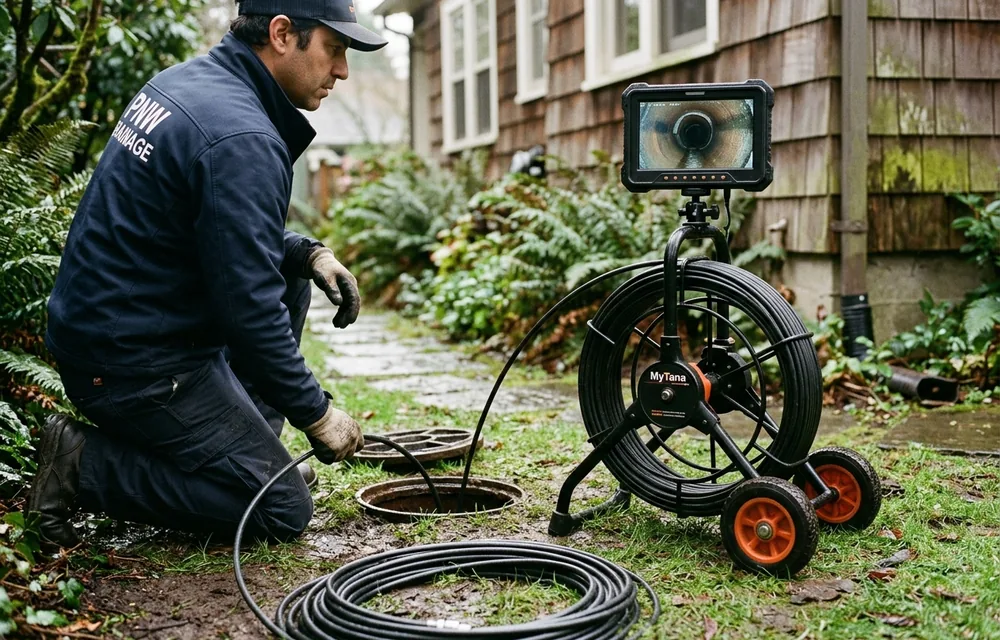
Sewer Scope & Camera Inspection
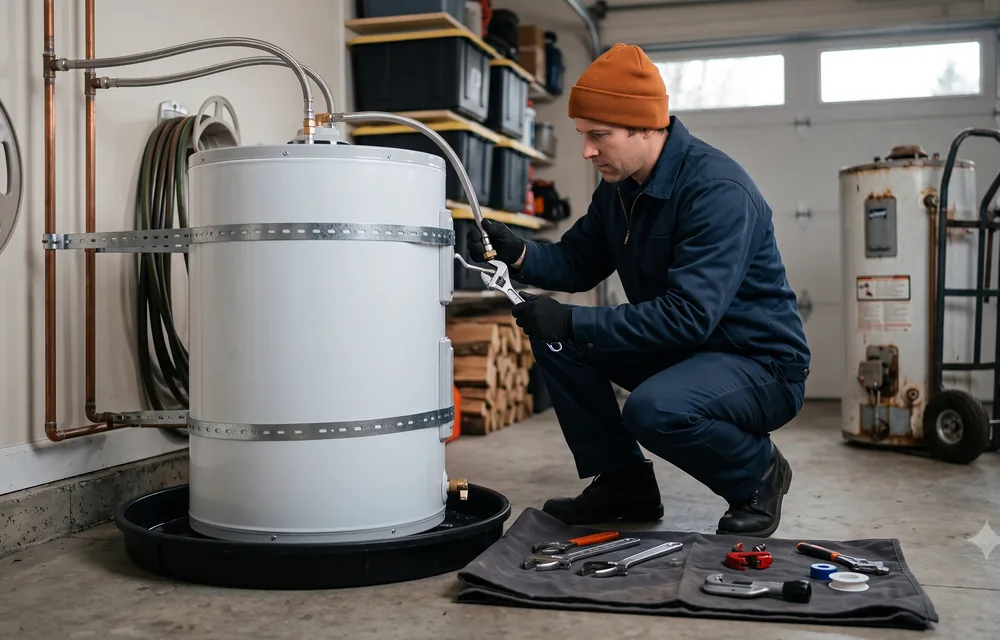
Water Heater Repair & Replacement
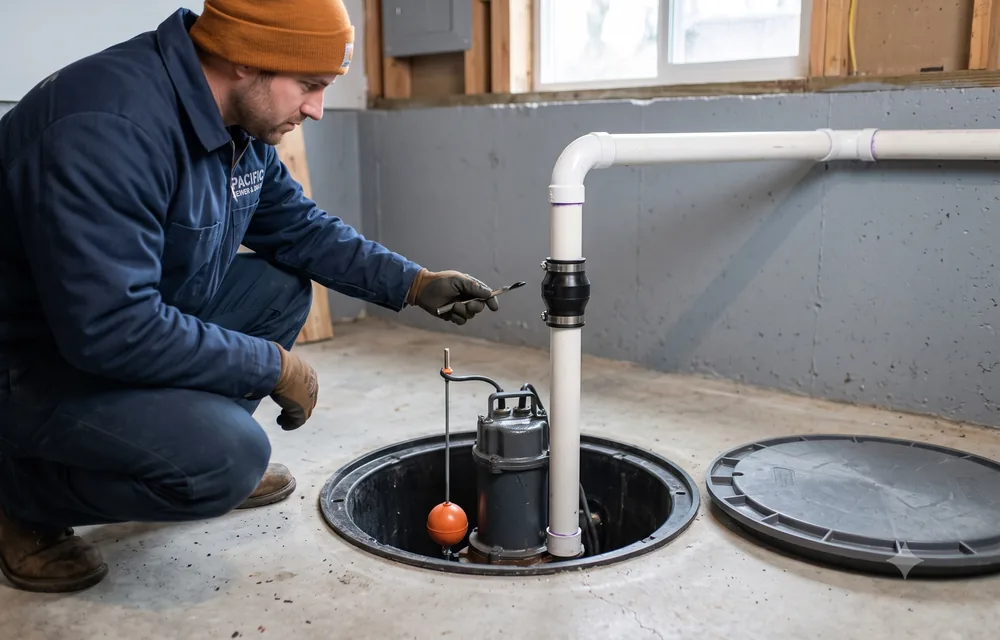
Sump Pump Installation & Repair
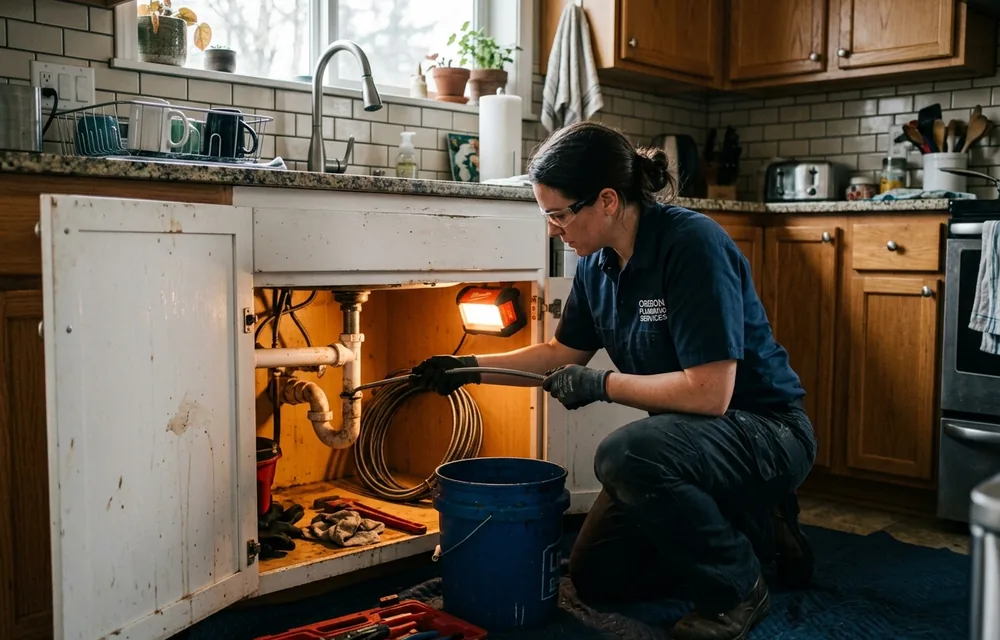
Drain Cleaning
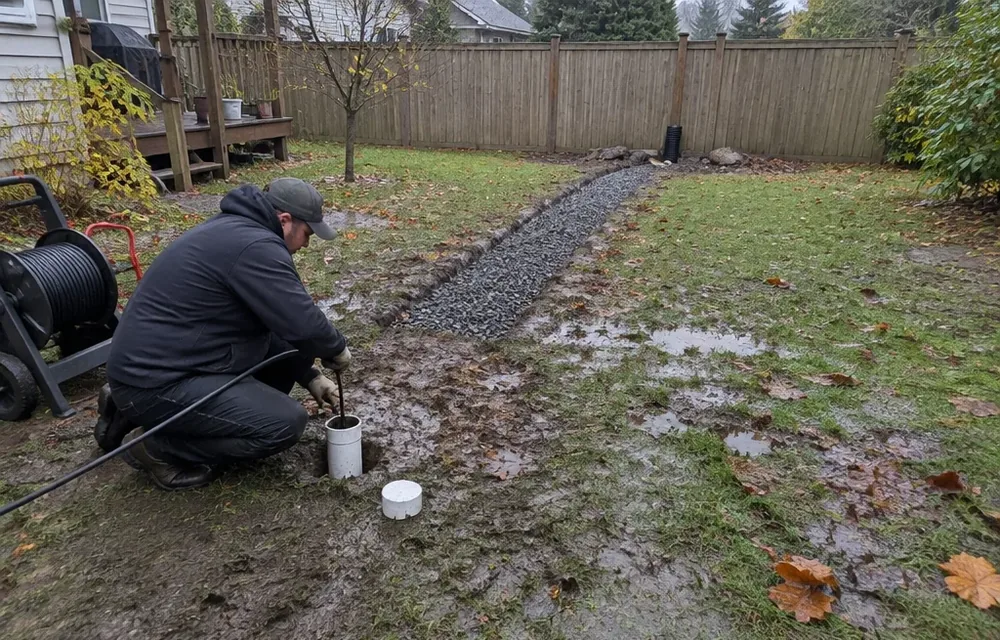
French Drain Cleaning & Repair
Coos Bay plumbing questions
Why does my Coos Bay sewer line have a low spot?
Ground movement rather than pipe age. Much of the developed area sits on fill and estuary sediment that settles unevenly, which drops sections of a lateral below their intended grade and creates a belly where solids collect. This is commercially important: lining preserves existing slope, so a belly cannot be lined away — it has to be excavated and re-graded.
Does the tide affect my drains in Coos Bay?
Near the bay, yes. Groundwater levels move with the tide as well as the season, so infiltration into a compromised lateral varies through the day, and low-lying properties can see gravity drainage genuinely impaired at high water. If your drainage seems to change without any change in usage, tidal influence is worth investigating.
Why does cast iron fail faster in Coos Bay?
Working-port coastal air is among the harshest conditions in the state for metallic components. Cast iron in crawlspaces, water heater fittings and pump housings all corrode faster than inland equivalents. When replacing, it is worth specifying corrosion-resistant materials rather than like-for-like — the price difference is small relative to doing it twice.